Adventure! Troop 97
for boys & girls
Fort Collins,
Colorado USA
www.troop97.net
Adventure! Troop 97
for boys & girls
Fort Collins,
Colorado USA
www.troop97.net
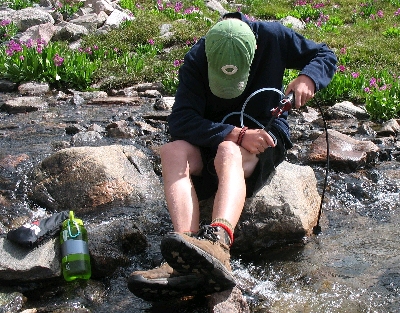 Pumping (purifying) Water in the Backcountry 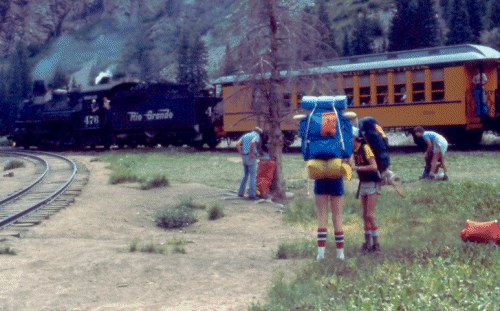 Whistle Stop—Train Drops us off at the Trailhead 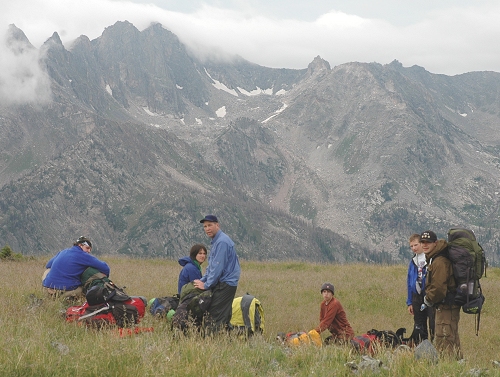 Pack Break at 10 000 ft (3000 m) 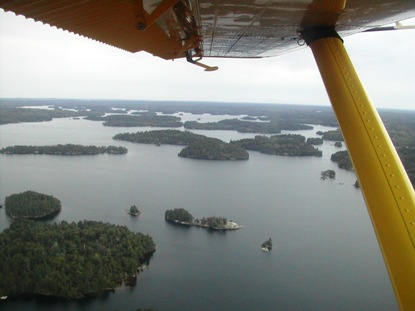 Quetico Seen from the Floatplane 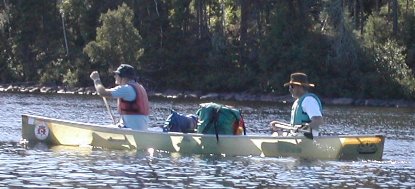 Canoe Loaded for a Week in Canada 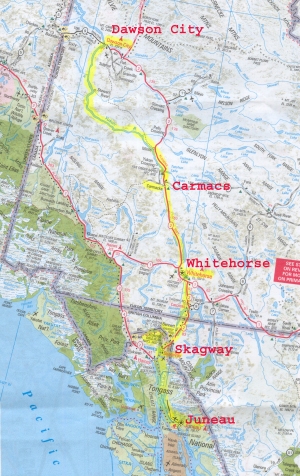 Alaska, British Columbia, Yukon Territory, by Plane, Ferry, Backpack, & Canoe 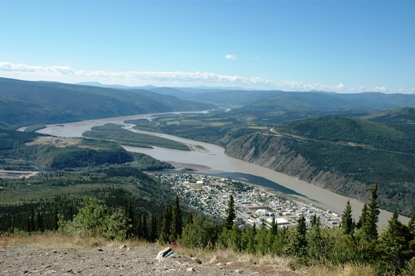 Yukon River Viewed from above Dawson City |
Scouting shouild be an Adventure for all Scouts. But once a Scout has experienced the year-round troop program, and learned the basic Scout skills (reflected by earning the First Class rank), he should have more challenging Adventure opportunities. High Adventure.
High Adventure goes well beyond the normal Scouting program. It lets experienced Scouts do things most adults have never done. It provides real physical and mental challenges that help develop maturity and leadership. It's a new kind of fun—a deeper, more satisfying pleasure that comes from knowing you've met real challenges and grown from them.
Why do we make the effort to offer at least one week-long High Adventure trek every year?
The Troop 97 High Adventure program has two aspects:
The Older-Scout Program is our year-round activity and leadership program for Scouts age 14 and up. Our older Scouts are free to select day, weekend, and week-long (or longer) activities to do year-round, like caving, mountain biking, skiing/snow boarding, backpacking, canoeing, ........... We have at least one Assistant Scoutmaster to work with them and help them plan. And our troop is fortunate to have the adult resources to support just about anything these older Scouts can dream up. Biggest problem is getting guys this age to actually sit down and plan something.
Our Trek program consists of a one-week to two-week High Adventure "trek" every year, open to Scouts of Star rank and age 13 who can demonstrate sufficient experience and maturity to benefit from—and enjoy—a challenging trek. The types of "trek" vary over a four-year cycle:
The backpack treks are challenging, week-long hikes to a nearby wilderness area (usually within a day's drive of home). We usually have enough qualified Scouts and adults to field at least two crews. That lets us send out a younger crew on a shorter hike (maybe 30 or 40 miles/50 to 65 km), and an older crew on a hike suitable for big guys (perhaps 50 to 80 miles/80 to 130 km). Since 1978, our crews have backpacked anywhere from 23 miles (37 km) to 92 miles (147 km) in 5 to 7 days, depending on the crew, the weather, and the terrain.
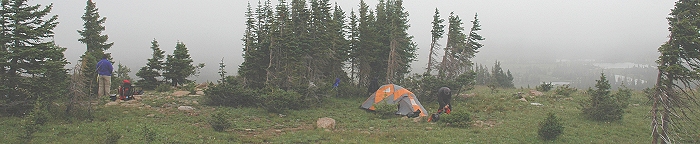
Camping in the Krummholz
An "Expedition" is more exotic, farther away from home, involving more varied activities. It could be backpacking in another part of the country 2000 miles (3200 km) from home, with sightseeing in nearby cities and overnight accommodations in college dorms. It could be canoeing a river or voyageur canoe/portaging in Canada, complete with a fly-in start via Beaver and Otter floatplanes.
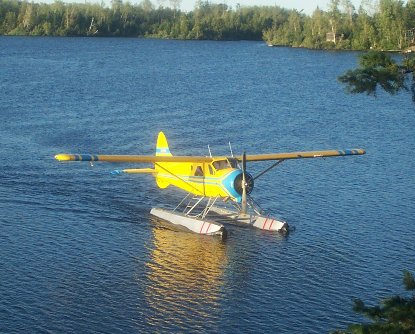
Our Floatplane Taxiing in
The "SuperTrek" is even more exotic. An active Scout in our troop will have the opportunity to go on at least one SuperTrek. Perhaps canoeing in northern Canada near the Arctic Circle, or sailing in the true tropics. Bicycling 500 miles (800 km) on US and Canadian islands, traveling by ferry from island to island. Backpacking a Canadian wilderness so remote the only trails were made by animals, and hiking was sometimes made easier by walking for hours in ankle-deep rivers. On a SuperTrek, just "getting there" is part of the adventure: commercial aircraft, float plane, subway, narrow-gauge steam railroad, 200 mph (320 km/h) high-speed train, ocean-going ferry, regular ferry, fast ferry, tugboat, sailing ship.
Crew Size—If we have too many qualified people for one crew, we split the group into two or more crews, each operating independently and traveling the backcountry on separate routes. A High Adventure "crew" should be about 8 people, including adults. This is a size that's manageable by a Scout crew leader. We've found that the larger the crew, the slower the crew travels, and it's much harder (and more time-consuming) to make even simple decisions. BSA requires a minimum crew size of 4 people, including 2 adults. Maximum crew size in most wilderness areas is 12 to 15, but 10 is a better maximum size.
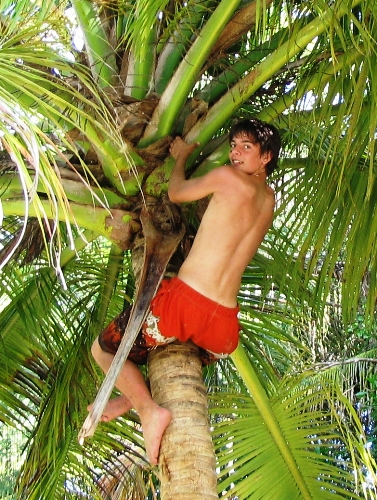
Aloft in the British Virgin Islands
BSA SAFETY PLANS FOR VARIOUS ACTIVITIES
Last Revision to This Page: 18 October 2018
Copyright © 2008-18 by Troop 97 BSA